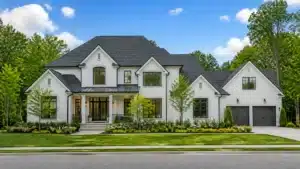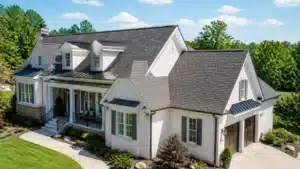
Homeowners across the Upstate often view the roof as a static shield, a permanent barrier designed primarily to deflect the elements and enhance the curb appeal of a residence. However, a high-quality roofing system is a dynamic environment where airflow and temperature regulation are as critical as the shingles themselves. In the humid, high-temperature climate of South Carolina, the relationship between your roof and your air conditioning system is inextricably linked. When ventilation is compromised, the thermal load on a home increases exponentially, forcing mechanical systems to operate far beyond their intended design capacity.
Maintaining a balanced attic environment is not merely a matter of comfort; it is a fundamental requirement for protecting your investment, ensuring the longevity of your materials, and optimizing the daily operational costs of your household. Identifying the subtle failures in a ventilation strategy requires a disciplined eye and an understanding of fluid dynamics. Common errors in installation or maintenance can transform a functional attic into a heat trap that degrades structural integrity and drains financial resources through inflated utility bills…
1. Obstructing Intake Vents with Insulation
Effective ventilation requires a continuous cycle where cool air enters at the lowest point of the roof and warm air exits at the highest. Many residential properties in Greenville suffer from blocked soffit vents, often the result of improper insulation placement. When fiberglass batts or blown-in insulation are pushed to the very edge of the attic floor, they act as a physical barrier to fresh air.
Without this crucial intake, the exhaust vents at the peak of the roof are unable to pull air through the space. This stagnation causes attic temperatures to soar, sometimes reaching 150 degrees Fahrenheit on a typical July afternoon. This heat eventually migrates through the ceiling and into the living quarters, forcing your AC to run continuously to maintain a set temperature.

2. Mixing Different Types of Exhaust Vents
A frequent mistake made during roof repair in Simpsonville, SC is the “more is better” approach to exhaust vents. Homeowners or inexperienced contractors may install a ridge vent along the peak while leaving old box vents or gable vents in place. This configuration creates a “short-circuit” in the airflow.
Air naturally takes the path of least resistance. Instead of pulling cool air from the soffits at the bottom of the roof, the ridge vent will pull air from the nearest available opening: the box vents or gable vents. This leaves the lower portions of the attic unventilated and allows heat to accumulate in large pockets, rendering the ventilation system ineffective.

3. Ignoring the Math of Net Free Ventilating Area (NFVA)
Precision is the hallmark of quality shingle roofing installations. A common failure in residential roofing is the lack of a proper calculation for the Net Free Ventilating Area (NFVA). The industry standard typically requires 1 square foot of ventilation for every 300 square feet of attic floor space, ideally split 50/50 between intake and exhaust.
When a roof is replaced without these calculations, the system is often under-ventilated. A lack of sufficient exhaust area prevents the hot air from escaping at the necessary rate. This imbalance creates a pressurized environment that can actually pull conditioned air from inside your home through light fixtures and attic hatches, further increasing the workload on your HVAC system.
4. Failing to Install or Maintain Air Baffles
Air baffles, or rafter vents, are essential components that ensure the path from the soffit to the attic remains clear. In many older homes around Greenville, these baffles are either missing, damaged, or were never installed during the initial construction.
Baffles provide a dedicated channel for air to bypass the insulation. Without them, even the most expensive roofing materials cannot prevent the attic from overheating. Ensuring that your roofing Greenville SC professionals inspect and install high-quality baffles is a critical step in preserving the efficiency of your home’s thermal envelope.
5. Relying on Power Vents Without Adequate Intake
Mechanical or “power” attic fans are often marketed as a solution for hot attics. However, when these units are installed without a massive increase in intake ventilation, they can become counterproductive. A powerful fan will create a vacuum effect in the attic space.
If the soffit vents are insufficient to meet the fan’s demand for air, the unit will begin to draw cooled air from the interior of the home through the ceiling. This effectively pays to cool the attic with the air you have already paid to cool for your living room. A passive, balanced system is almost always superior in terms of longevity and cost-effectiveness.
6. Neglecting Attic Ductwork Protection
In the South Carolina climate, many HVAC systems utilize ductwork that runs through the attic. When an attic is poorly ventilated, these ducts are submerged in a high-heat environment. This heat penetrates the duct insulation, warming the air before it even reaches your vents.
If your AC seems to be blowing lukewarm air despite a recent service, the culprit is often the attic temperature, not the mechanical unit. Improving ventilation reduces the ambient temperature surrounding your ducts, ensuring that the cold air generated by your system remains cold until it reaches its destination.

7. Prioritizing Aesthetics Over Functional Airflow
While the visual appeal of a new roof is a significant factor in home value, it should never come at the expense of functionality. Some homeowners choose to avoid ridge vents or specialized intake systems because they prefer a “cleaner” roofline.
Modern roofing technology, however, allows for seamless integration. High-profile ridge vents are designed to be nearly invisible while providing maximum exhaust capacity. Sacrificing airflow for a specific aesthetic often leads to premature shingle degradation and high energy costs, ultimately diminishing the long-term value of the property.
The Path to a High-Performance Roof
Addressing these ventilation errors is a fundamental aspect of professional roof replacement. A roof that breathes is a roof that lasts. By prioritizing the balance of intake and exhaust, homeowners can significantly reduce the strain on their cooling systems, lower their monthly utility expenditures, and protect the structural components of their homes from heat-related damage.
State 8 Roofing specializes in the technical execution of residential roofing systems that prioritize both durability and efficiency. Our commitment to high-quality workmanship ensures that every project we undertake is calculated for optimal performance in the specific climate of the Upstate.

For those considering a comprehensive evaluation of their roofing system or planning a future upgrade, a professional inspection is the first step toward a more efficient home. We invite you to explore our services or get a free estimate to understand how a correctly ventilated roof can transform your home’s performance.
Maintaining the integrity of your residence requires a proactive approach to roofing health. By avoiding these seven common mistakes, you ensure that your home remains a sanctuary of comfort and a testament to quality craftsmanship.
© 2026 State 8 Roofing. All Rights Reserved. This content is the intellectual property of State 8 Roofing and may not be reproduced, distributed, or transmitted in any form or by any means without prior written permission.